

- NAD+ Injection (compounded)
- From $199/month
- FDA-approved for any condition?
- No
- Human evidence
- Early and mixed
- Related options
- Glutathione, B12, methylene blue, rapamycin
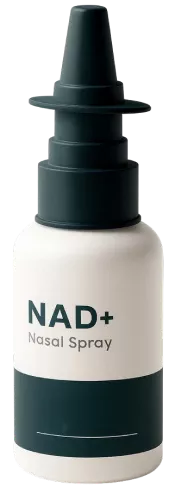

What NAD+ does
Nicotinamide adenine dinucleotide, or NAD+, is a coenzyme found in every cell. Your body makes it from niacin (vitamin B3) and related compounds. Its best-known job is in energy metabolism, where it helps transfer energy from carbohydrates, fats and proteins into ATP, the molecule cells use for fuel. NAD+ is also used by enzymes involved in DNA repair and cellular signaling.
Research in animals and some human tissues suggests NAD+ levels decline with age. That observation is the root of interest in raising NAD+ as a way to support energy and healthy aging.
Why it draws interest in midlife
People ask about NAD+ when they feel their energy, focus or recovery has slipped. Those are real concerns, but they have many possible causes, including sleep problems, thyroid disease, iron deficiency, low testosterone, perimenopause and depression. A clinician should look for those first, because they have well-established treatments.
NAD+ is best thought of as a possible addition to a plan that already addresses sleep, nutrition, exercise and hormones, not as a replacement for any of them.
What the human research shows
Most human studies have tested oral NAD+ precursors, such as nicotinamide riboside and nicotinamide mononucleotide, rather than NAD+ injections. These trials show that precursors can raise NAD+ levels in blood and are generally well tolerated in the short term. Evidence that they improve energy, strength, cognition or lifespan in people is limited and mixed.
Research on injected NAD+ itself is even thinner. Reviews of the field describe it as promising but early, with a need for larger, longer and better-controlled human trials. We will not tell you NAD+ will make you feel younger or live longer, because the evidence does not support saying so.
How NAD+ is offered at HealifyMD
If your clinician thinks it is reasonable, they may prescribe compounded NAD+ injection (from $199/month), given under the skin. Compounded NAD+ is not FDA-approved: the FDA has not reviewed it for safety, effectiveness or quality, and no NAD+ product is approved for any medical condition. Your clinician sets the dose and schedule and will explain how to prepare and give injections safely.
Reported side effects include flushing, nausea, headache and discomfort at the injection site, and they may be more noticeable when a dose is increased. Report side effects to your care team.
Other longevity-related options
NAD+ sits alongside several other treatments people explore for energy and healthy aging, each with its own level of evidence:
- Glutathione injection (from $125/month, compounded): an antioxidant; human evidence for injected use is limited.
- B12 injection (from $125/month): well established for people with B12 deficiency or poor absorption.
- Methylene blue (from $149/month, compounded): has serious interactions with some antidepressants and is unsafe with G6PD deficiency.
- Rapamycin (from $99/month): an FDA-approved immunosuppressant (sirolimus) used off-label for longevity, with limited human aging data.
Raising NAD+ without a prescription
Your body builds NAD+ from dietary niacin and related compounds found in foods such as poultry, fish, whole grains, legumes and nuts. Most adults in the U.S. get enough niacin from food. Regular exercise and good sleep are associated with healthier cellular energy metabolism, though evidence that they meaningfully change NAD+ levels in people is still developing.
Over-the-counter supplements such as nicotinamide riboside and nicotinamide mononucleotide are widely sold. Supplements are not reviewed by the FDA for effectiveness before sale, and product quality varies. High doses of some forms of niacin can cause flushing and, at very high intakes, liver problems, so check with a clinician before taking large amounts.
Who should not use NAD+ therapy
- People who are pregnant or breastfeeding.
- Anyone with active cancer, unless their oncologist agrees, since NAD+ is involved in cell growth pathways.
- People expecting it to replace treatment for a diagnosed condition such as depression, thyroid disease or anemia.
How it works here
You start with the free eligibility check and, usually, baseline labs to rule out other causes of low energy. If NAD+ is prescribed, your clinician sets a defined trial period and checks in on how you feel and any side effects. If it does not help, the plan changes.