

- Mimics
- Glucagon-like peptide-1 (gut hormone)
- Example
- Semaglutide (Ozempic, Wegovy, Rybelsus)
- Common side effects
- Nausea, vomiting, diarrhea, constipation
- Boxed warning
- Thyroid C-cell tumors in rodents
How they work
Natural GLP-1 breaks down quickly in the body. GLP-1 receptor agonists are built to last much longer, some for a full week, so their effects are sustained. They:
- Help the pancreas release insulin when blood sugar is high, which keeps the risk of low blood sugar fairly low when used alone.
- Suppress glucagon, a hormone that raises blood sugar.
- Slow how quickly the stomach empties, so you feel full sooner and for longer.
- Act on appetite centers in the brain to reduce hunger and food 'noise.'
Common medicines in the class
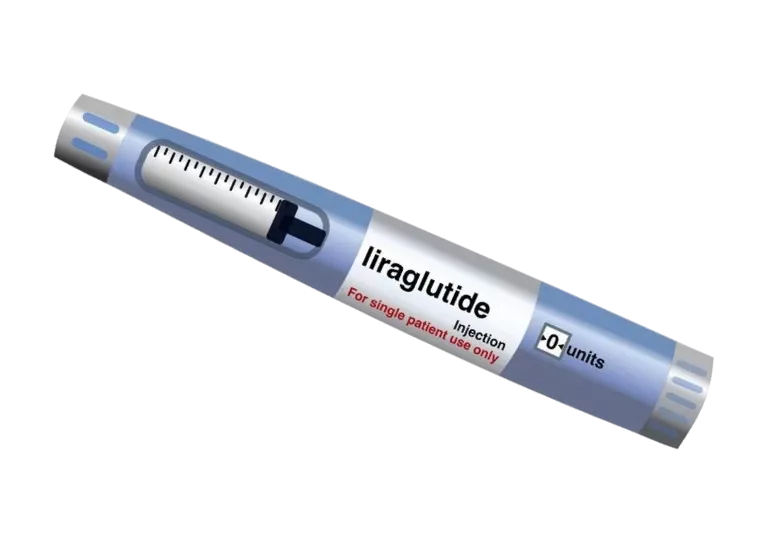
Semaglutide (Ozempic and Rybelsus for type 2 diabetes; Wegovy for weight management and cardiovascular risk reduction), liraglutide, dulaglutide and exenatide are GLP-1 receptor agonists. Tirzepatide is related but also activates the GIP receptor, so it's usually called a dual agonist.
Semaglutide's approved uses now extend beyond diabetes and weight to lowering the risk of heart attack and stroke in certain adults, slowing kidney disease in type 2 diabetes and treating a form of fatty liver disease called MASH.
Side effects
Digestive effects are the most common: nausea, vomiting, diarrhea, constipation, stomach pain, heartburn and burping. They're usually worst when starting or raising the dose, which is why doses are increased gradually. Vomiting and diarrhea can lead to dehydration and, occasionally, kidney injury.
Warnings to know
Several serious risks are part of the labeling:
- Boxed warning: these drugs caused thyroid C-cell tumors in rodents. The human risk is unknown, but they shouldn't be used if you or a family member has had medullary thyroid cancer or if you have MEN 2.
- Pancreatitis: persistent severe stomach pain, sometimes spreading to the back, needs urgent care.
- Gallbladder disease, including gallstones.
- Low blood sugar when combined with insulin or sulfonylureas.
- Not for use in pregnancy; semaglutide should be stopped at least two months before a planned pregnancy.
Branded versus compounded
Compounded semaglutide is not FDA-approved and is not the same as Wegovy or Ozempic. The FDA has documented adverse events linked to compounded semaglutide, many involving dosing errors, such as doses measured or calculated incorrectly, or doses above the approved label. At HealifyMD, semaglutide injection is compounded and starts at $299 per month, confirmed at your eligibility review. A licensed clinician reviews your history, sets the dose and follows up as it's adjusted.
Eating smaller meals, stopping when you feel full, limiting greasy food and staying hydrated can ease digestive side effects. Protein and strength training help preserve muscle while you lose weight.
GLP-1 receptor agonist: common questions
Are GLP-1 medicines only for diabetes?
No. Some, such as semaglutide in Wegovy and liraglutide in Saxenda, are approved for chronic weight management, and semaglutide also has cardiovascular, kidney and liver indications.
Why do GLP-1 drugs cause nausea?
Slower stomach emptying and effects on the brain both play a part. Nausea usually eases as your body adjusts and doses rise gradually.
Will I regain weight if I stop?
Weight often returns after stopping, so it's worth discussing a long-term plan before you start.
Can I take a GLP-1 if I've had pancreatitis?
These drugs are generally avoided in people with a history of pancreatitis. Your clinician will review your history.
Is oral semaglutide a GLP-1 receptor agonist?
Yes. Semaglutide tablets work the same way as the injection, though absorption and dosing differ.
Is compounded semaglutide the same as Wegovy?
No. It's not FDA-approved, and the trials behind Wegovy don't automatically apply to compounded versions.
Sources
We cite government agencies, professional societies and peer-reviewed research. See our editorial policy.
- Semaglutide InjectionMedlinePlus (U.S. National Library of Medicine)
- Glucagon-Like Peptide-1 Receptor AgonistsNCBI Bookshelf (StatPearls)
- FDA's Concerns with Unapproved GLP-1 Drugs Used for Weight LossU.S. Food and Drug Administration